
Linear Time vs. Circular Time: "Forward History" and "Returning Seasons"
Geography Explains Why? No.10

Even if we live through the same 24 hours, the way we feel time is not the same. In some societies, time moves forward like a straight line, piling up events that will never return. In others, time cycles through seasons and milestones, repeating the same patterns, renewing life each time.
This difference is not just a philosophical preference. It is a practical “Operating System” for running a society. Do people synchronize their prayers, work, and trade to a “ruler” of fixed deadlines? Or do they align their lives with the “rhythm” of the coming seasons? How a civilization captures time is the fundamental rule of how it builds and maintains its community.
Let’s investigate the architecture of Time.
Clue 1: Linear Time — “It Never Returns,” So We Synchronize
In societies dominated by linear time (like modern Europe), time is treated as something that “never returns.” “The past cannot be changed, and time progresses in a straight line toward the future.” Because of this premise, words like “Schedule,” “Deadline,” and “Progress” become absolute rules for survival, not just goals. The more everyone uses the same clock, the smoother contracts, logistics, and education run.
1. Synchronizing Prayer
This movement to “synchronize time” began in the religious world. Specifically, the Angelus (The Angelus prayer) of the Catholic Church.
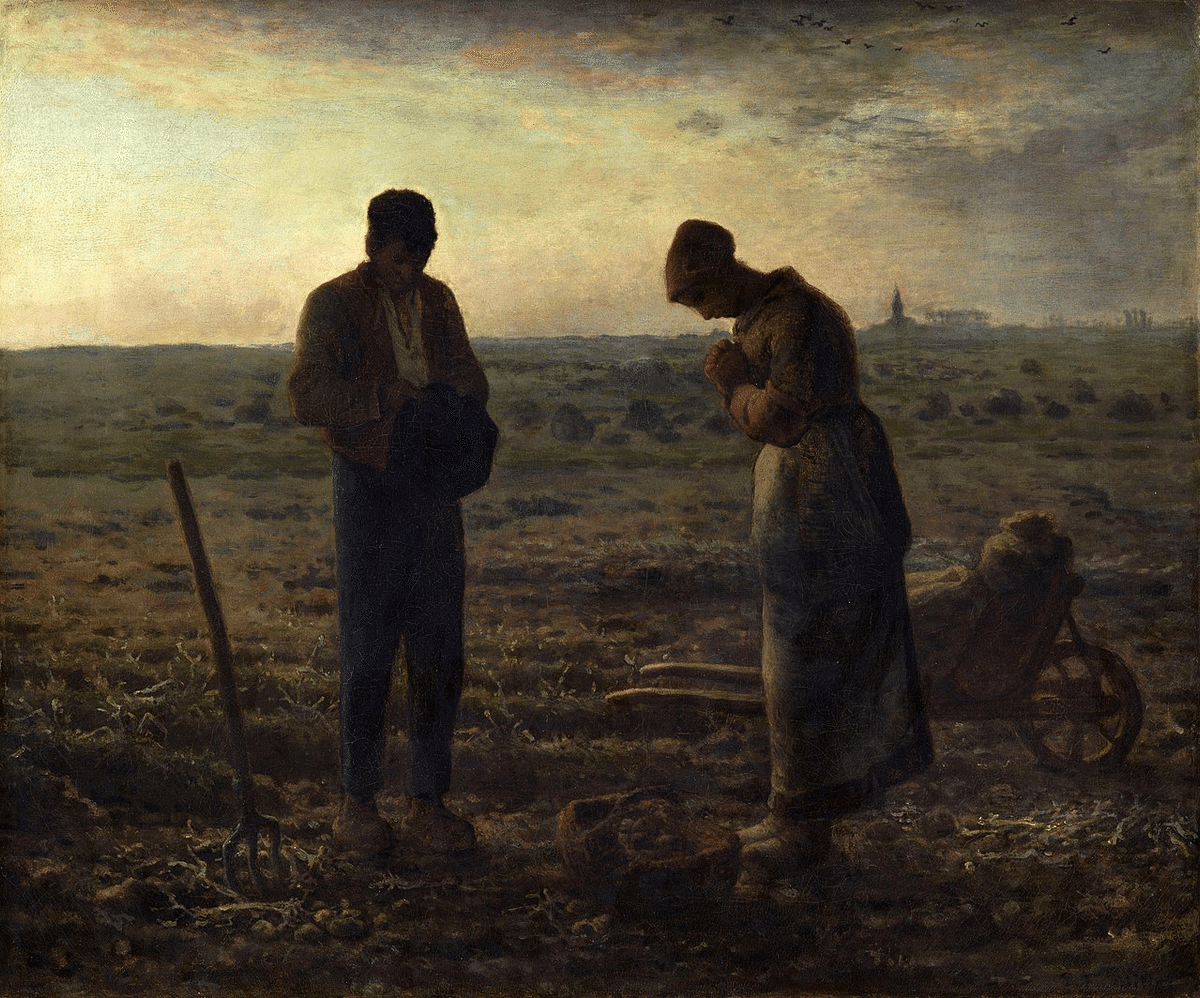
This practice commemorates the scene where the Archangel Gabriel announces the conception to Mary (the Incarnation). Specifically, three times a day—morning, noon, and evening—bells ring. In accordance with this signal, people recite the words: “The Angel of the Lord declared unto Mary, and she conceived of the Holy Spirit,” followed by the “Hail Mary.”
Crucially, this wasn’t just individual prayer. “When the bell rings, everyone in the city recites the same words at the same time.” Beyond the religious content, this mechanism of “aligning actions” was the system that bound society together into a single unit.
2. The Railway Turned Time into a Line
The moment time shifted from a “concept” to “infrastructure” is clearly marked by the arrival of the Railway.
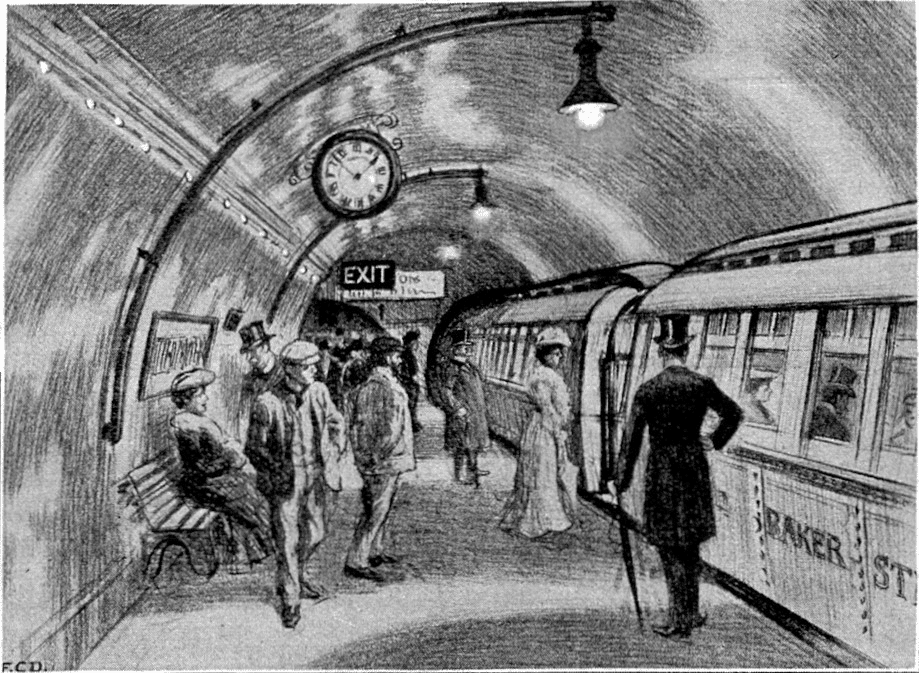
Before the railway network expanded, every town set its own “Local Time” based on when the sun was overhead (noon). However, using local time caused a fatal problem for railways. Because the sun’s position is different in the East and the West, the hands of the clock would shift by several minutes to tens of minutes between towns.
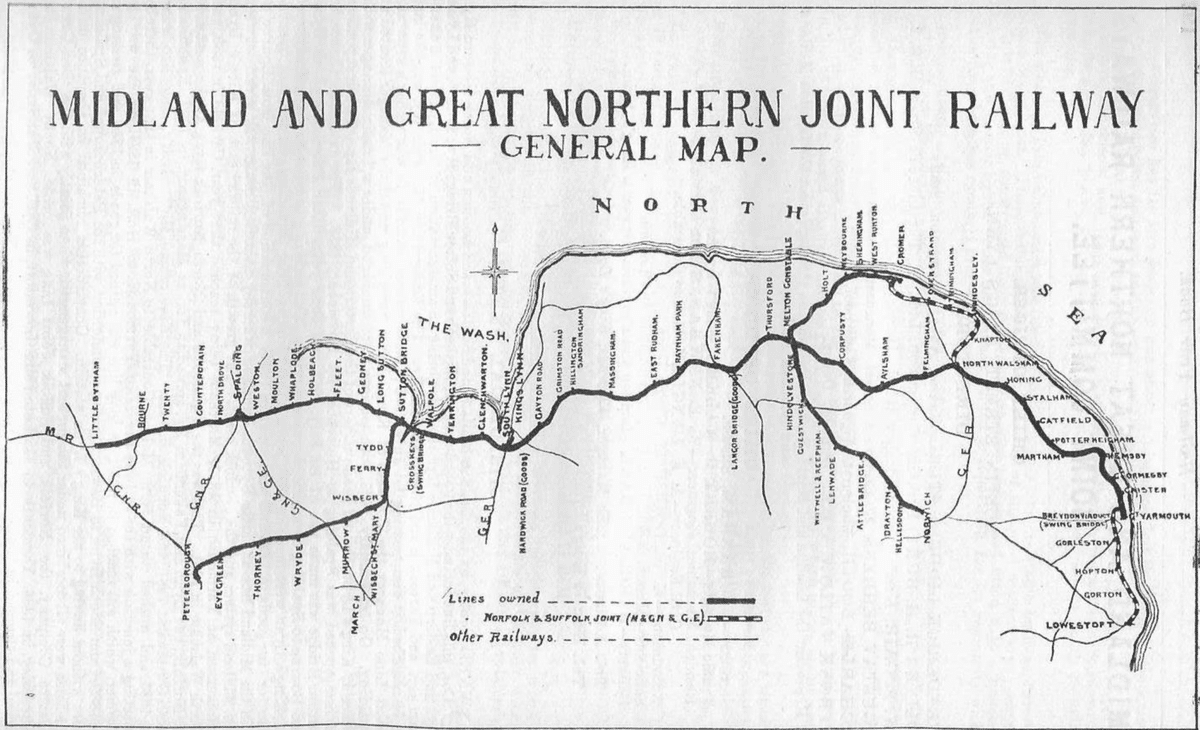
This difference confused operation management and increased the risk of accidents. Therefore, in the 1840s in the UK, railway companies first established “Railway Time” (based on Greenwich Mean Time) for their own operations, and the use of Greenwich Mean Time instead of town-by-town solar time gradually spread.
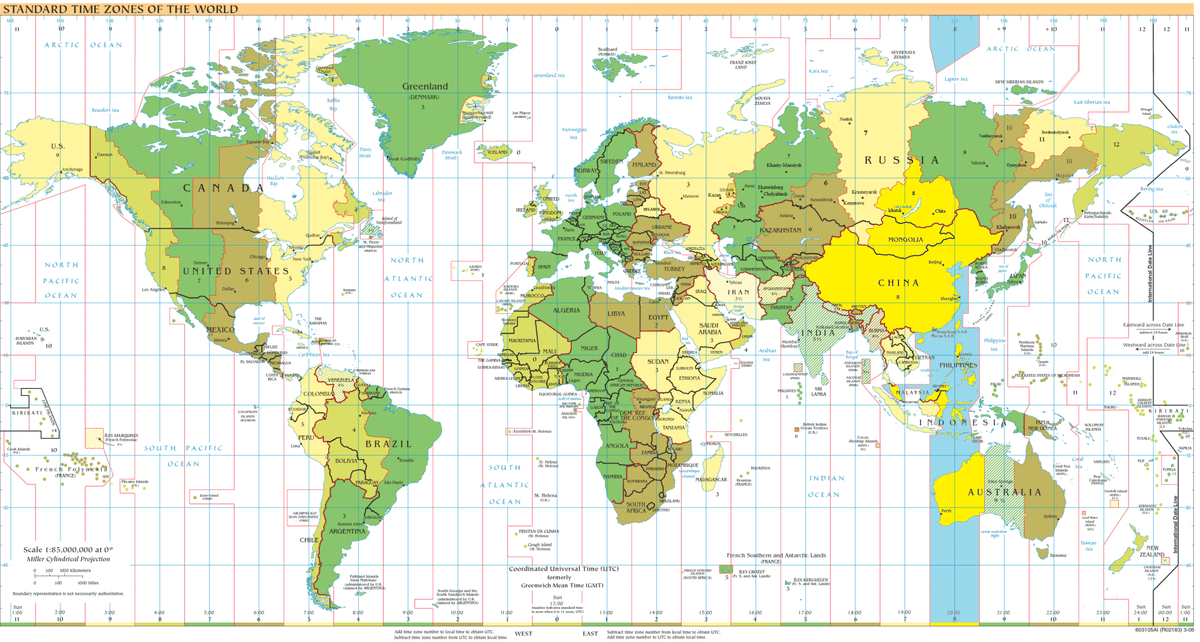
However, people could not let go of their local time immediately. Thus, clocks appeared with two minute hands: one pointing to “Local Time” (Solar Time) and one pointing to “London Time” (Railway Time). This was not a change in people’s values, but a practical unification of time to prevent railway accidents. Time was redrawn from isolated local dots into a single national line. Eventually, this flow crossed borders. At the International Meridian Conference in 1884, it was decided to make the Greenwich Meridian the world standard (0 degrees longitude). In this way, time was replaced from the “Local Sun,” a natural clock, to the “World Standard,” an artificial ruler.
3. Rewriting Time by Revolution
An extreme example of linear thinking is the French Republican Calendar during the French Revolution.
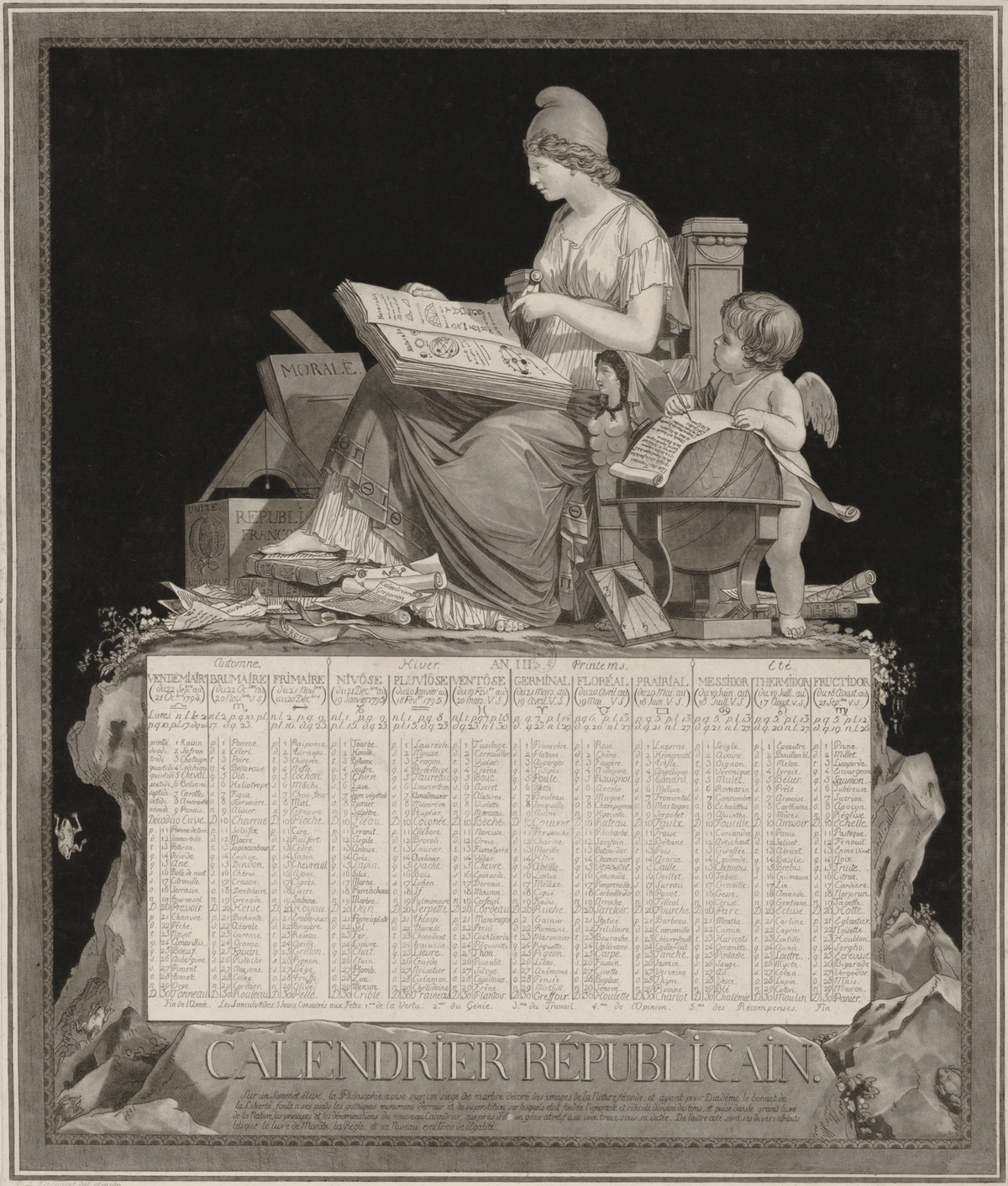
To erase the influence of the old monarchy and religion, the revolutionary government introduced a thorough decimal system: 1 week = 10 days, 1 day = 10 hours, 1 hour = 100 minutes.
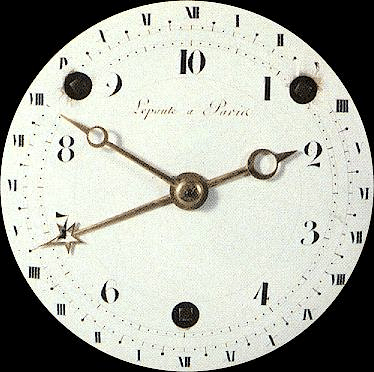
This calendar, used until Napoleon abolished it in 1806 to return to the Gregorian calendar, is a case where the linear idea of “discarding the old framework to build a new society” tried to reshape the very foundation of civilization.
Clue 2: Circular Time — No “Goal,” Only a Return to “Start”
On the other hand, in societies where time “cycles” (like traditional Japan), time is treated not as a one-way trip, but as something that “comes back.” Seasons, harvests, New Year’s. What everyone aligns with is not a distant future “goal,” but the “usual events” that surely return every year.
1. Time that Expands and Contracts with Nature: The Variable Hour System
In Edo-period Japan, this sense was implemented as a system: the Variable Hour System (Futeiji-ho). According to documents from the Seiko Museum, this worked as follows:
From sunrise (Ake-mutsu) to sunset (Kure-mutsu) is “Daytime.”
From sunset to sunrise is “Nighttime.”
Each is divided into 6 equal parts, and that unit is called It-toki.
In summer, the day is long, so a “daytime It-toki“ is long. In winter, it becomes short. In other words, time was not a homogeneous scale like a ruler, but a “variable unit” that expanded and contracted like an accordion according to the changes of the seasons. People lived not by the abstract number “9:00,” but by the concrete natural rhythm of “the length of daylight in this season.” For a life cycle centered on agriculture, this was an extremely rational system.
2. Machines Adapting to Nature: The Japanese Clock
Technologically supporting this was the “Wadokei” (Japanese Clock).
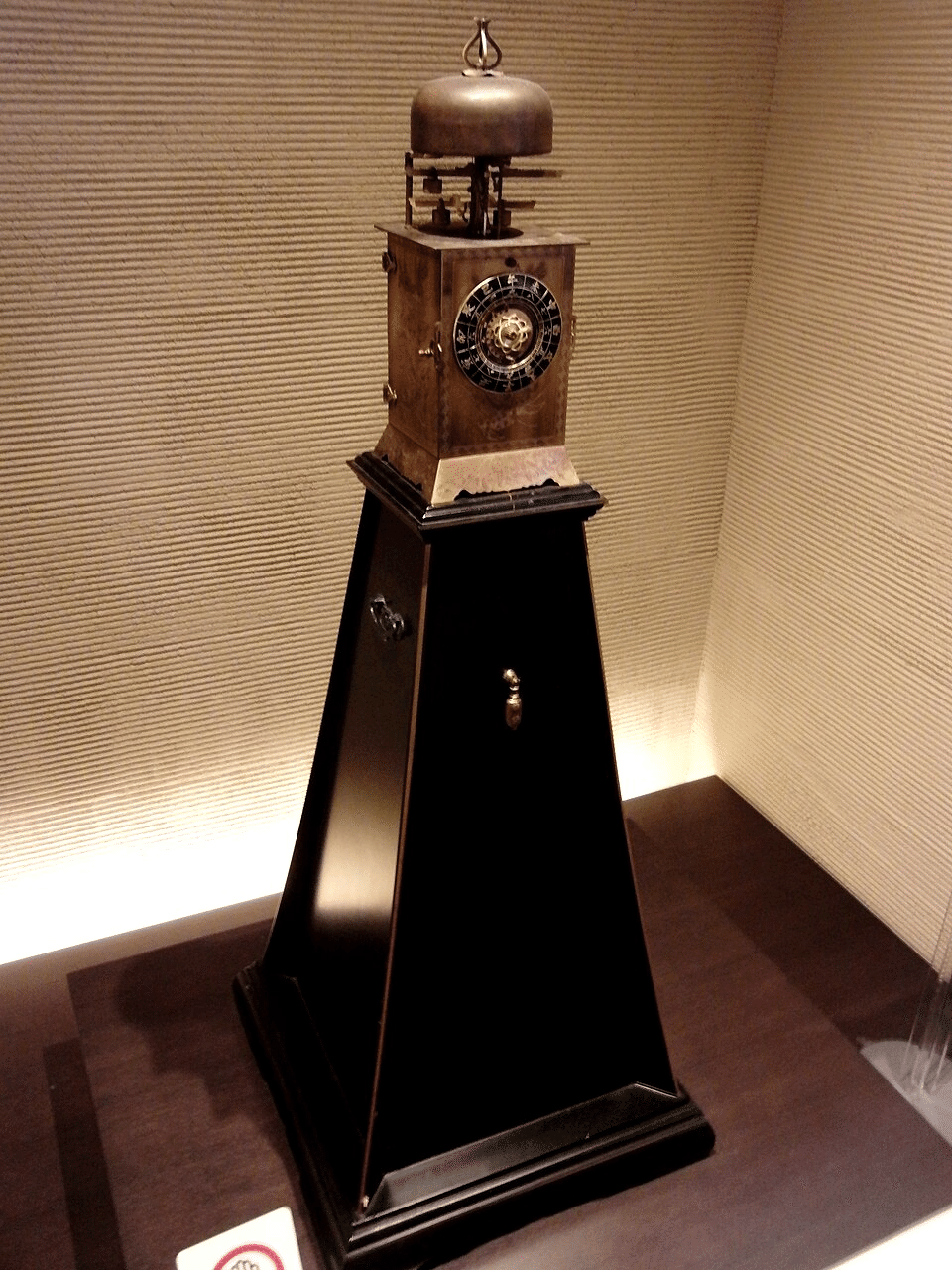
Mechanical clocks introduced from the West are originally made for the “Fixed Hour System” (moving at a constant speed). However, Japanese craftsmen made amazing improvements to make them correspond to the Variable Hour System. They invented the “Warikoma dial” (adjustable indicators), where the dial markers are moved seasonally to adjust the time, and the “Bo-tempu” (double foliot balance), which changes the speed of the clock between day and night. This is the technological crystallization of circular time philosophy: “Humans do not adapt to the clock (machine), but the clock adapts to nature (seasons).”
3. Creating Eternity through Renewal: Shikinen Sengu
In a world where time cycles, the method to “make something last forever” changes completely. The symbol of this is the Shikinen Sengu of Ise Jingu.
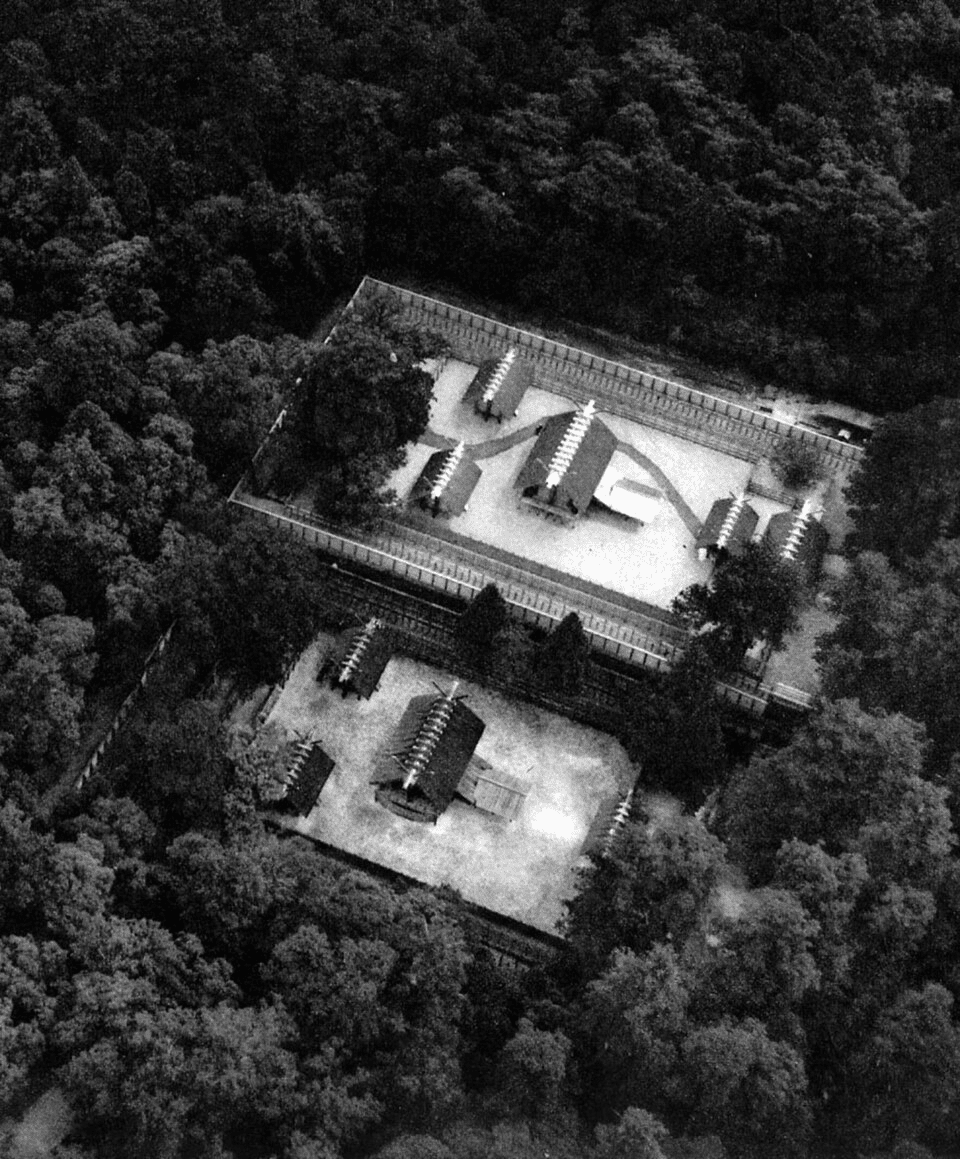
Since the 7th century, this ceremony of completely rebuilding the sanctuary buildings and bridges every 20 years and transferring the deity has been continued. This is the exact opposite of the Western idea of “physical permanence” (stone architecture). By daring to rebuild (renew) the buildings and bridges periodically, they keep the technology and spirit eternally young. Here, time does not stack up linearly to rot; it moves like a Spiral Staircase, returning to the same place but becoming new. It can be said to be the wisdom of maintaining continuity by institutionalizing change.
Clue 3: The Modern Mix — One Global Clock, Personal Seasons
At first glance, modern life seems like a total victory for “Linear Time.” Business runs 24 hours a day, and the internet connects the world instantly. In a society that pursues efficiency and growth, “time-saving” techniques are praised, and time spent stopping or going back is even called waste. The world now seems to be connected by a single line, rushing toward the future at breakneck speed. But has the cycle disappeared?
The answer is “No.” The world has indeed been standardized, but on that homogeneous time, we are still trying to live a circular rhythm.
1. Standardization as a Common Rule
Following the International Meridian Conference in 1884, Japan also followed suit in the Meiji era, introducing standard time based on 135 degrees east longitude from 1888, and further changing from the lunisolar calendar to the solar calendar (Gregorian calendar). This was an essential “update” to connect to international communication, transportation, and administrative networks. By standardizing the calendar, Japanese society became easier to connect with the world.
2. Politics Bending Time
However, standardization doesn’t always mean “geographic correctness.” Sometimes the state bends time prioritizing “governance” or “politics.”
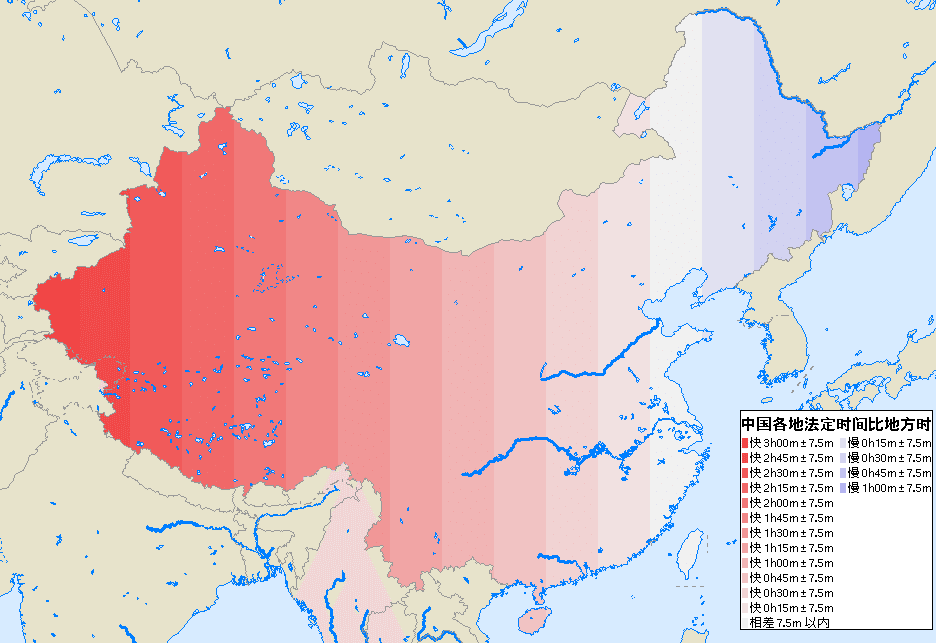
China’s Single Time Zone:
China is wide from east to west and originally spans five geographical time zones.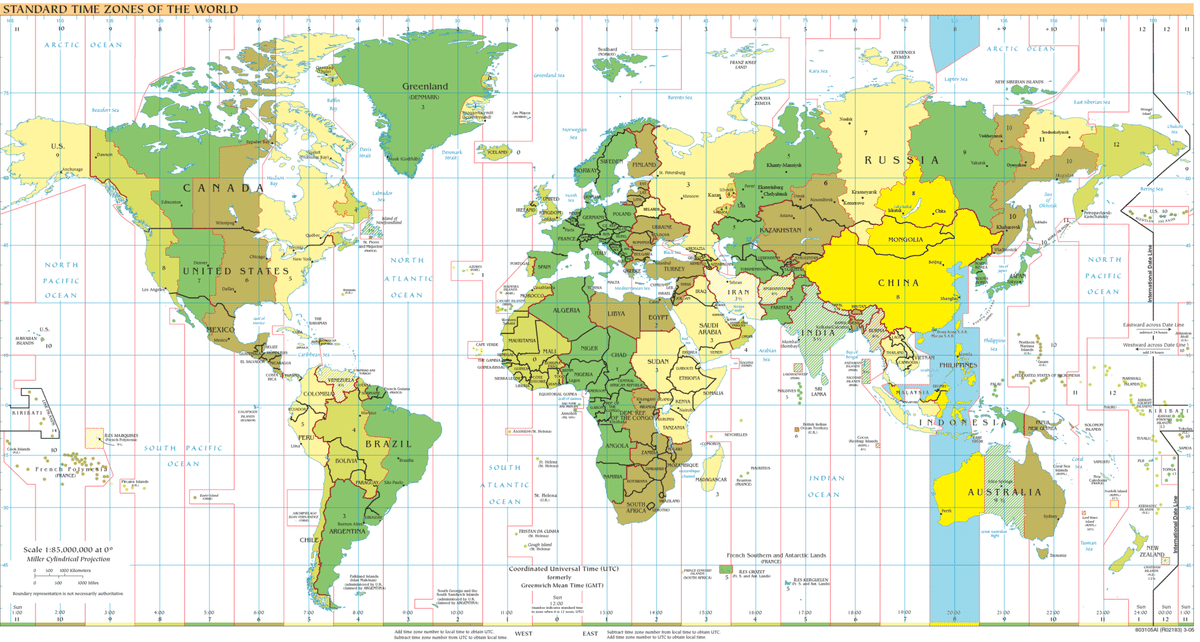
caption... However, to maintain national unity, it adopts a single standard time (Beijing Time, UTC+8). As a result, in the western Xinjiang Uygur Autonomous Region, a large gap occurs between the official time and the movement of the sun.
captio片桐研太, CC BY-SA 4.0 <https://creativecommons.org/licenses/by-sa/4.0>, via Wikimedia Commonsn... Spain’s Time Change:
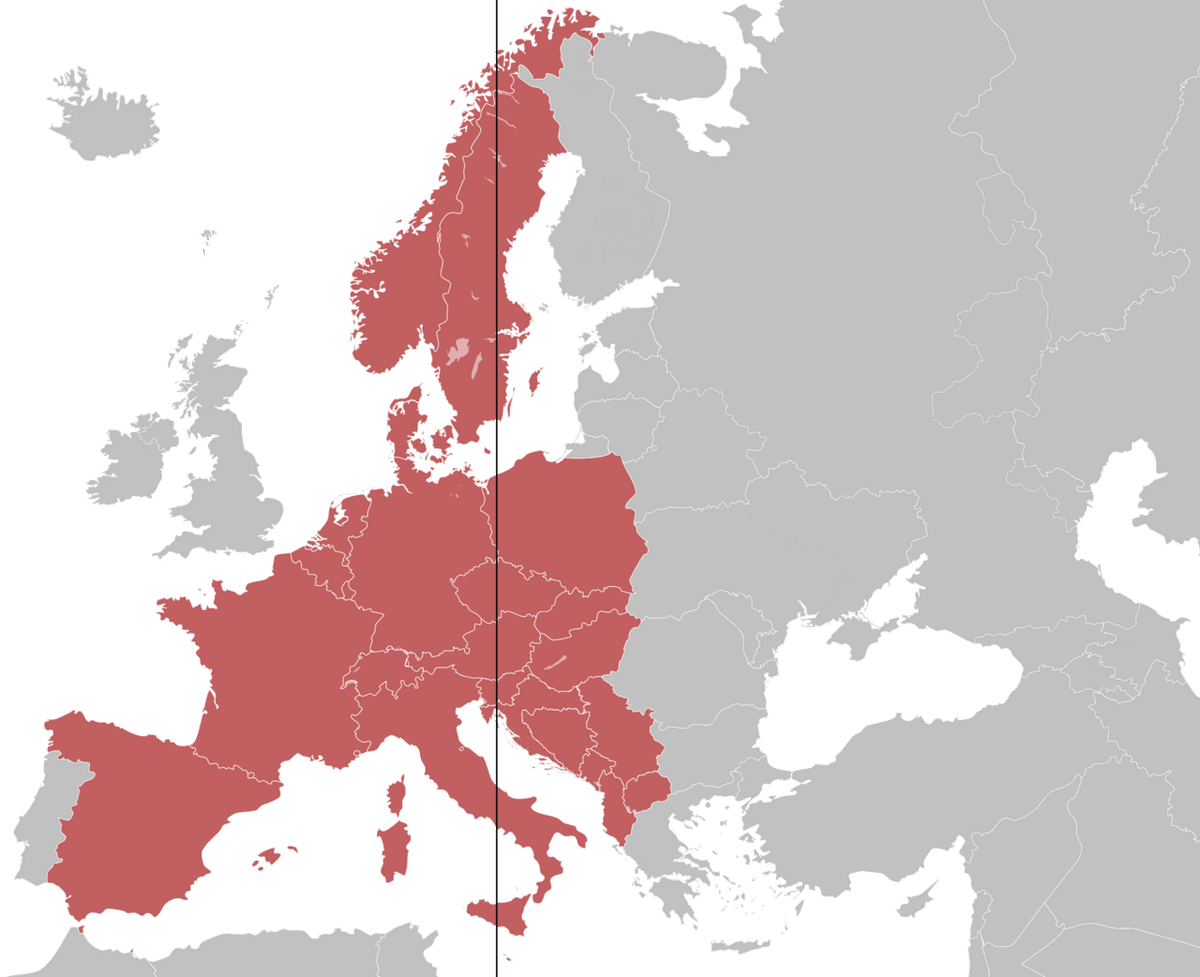
Geographically, Spain is located at the same longitude as the UK. However, in 1940 under the Franco regime, it shifted to Central European Time (CET) to show solidarity with Nazi Germany, and it remains so today.Spain’s lifestyle, often described as “eating late” or “night owl,” is partly a side effect born from this gap between solar time and clock time.
cUser:Uploader xyz based on the work named in the source section, made by User:Giorgi Balakhadze, CC BY-SA 4.0 <https://creativecommons.org/licenses/by-sa/4.0>, via Wikimedia Commonsaption...
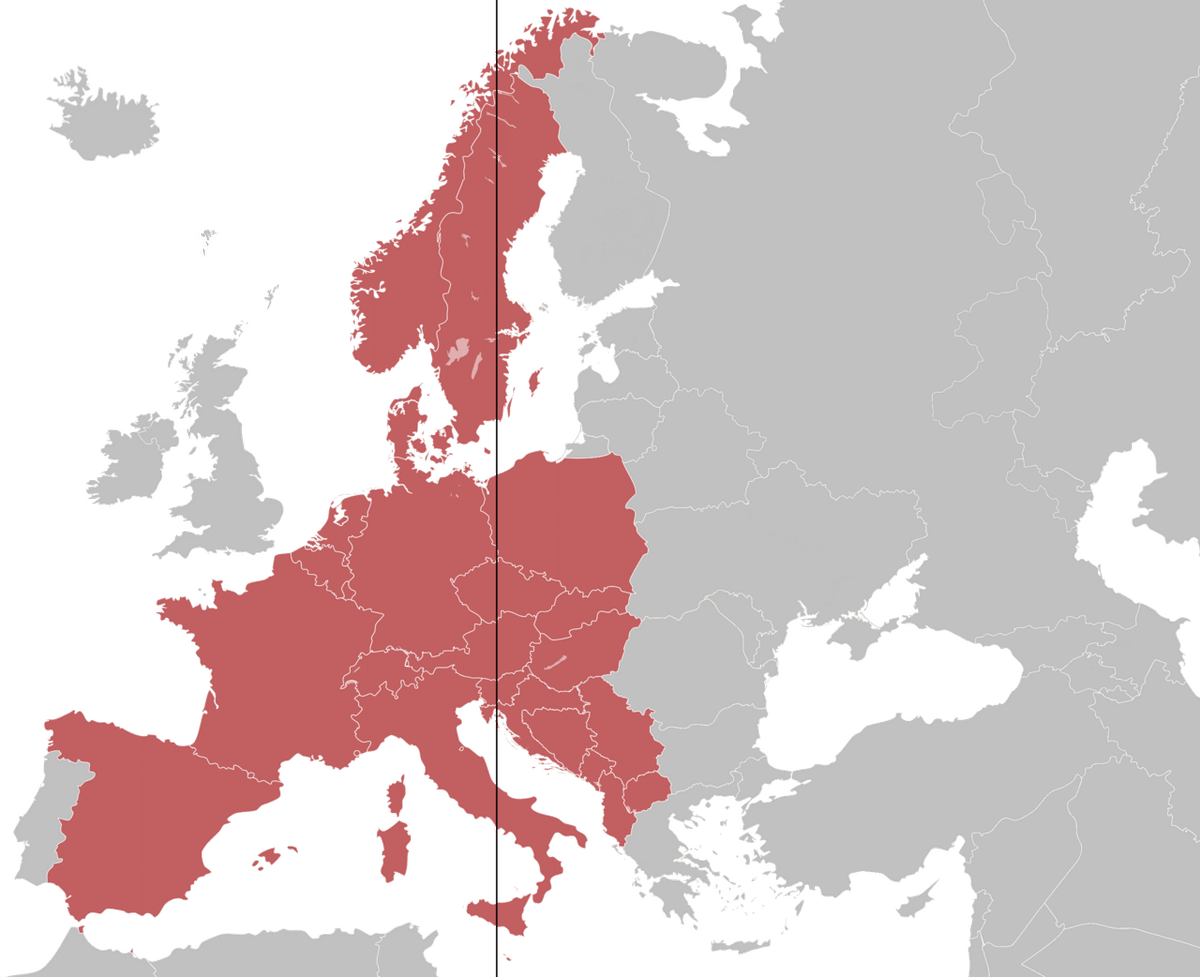
3. Circulation as “Wobble” in the System
On the other hand, there are attempts to incorporate the logic of circulation into linearized time.
That is “Daylight Saving Time” (Summer Time). Its origins trace back to 1916 during World War I, when Germany introduced it to save coal, and the UK and others followed. This system, which shifts the clock hands according to the change in daylight hours due to the seasons, can be said to be a forcible insertion of the agricultural sense of “living according to the sun” into homogeneous time as a system.
The fact that debates on its abolition are continuing in the EU and elsewhere shows the friction between the Linear (convenience of not changing) and the Circular (sense of adapting to nature).
4. Time as Data Format, Circulation as Individual
And in the 21st century, in the world of computers, time has become a complete “string of numbers.” This is because it has come to be managed in a unified format (ISO 8601) all over the world so that machines do not make mistakes.
But precisely because of that, “Seasons” and “Anniversaries” return to our hands as notifications on smartphones. In calendar apps, “important times that come around” such as family birthdays and annual events are registered, and they tell us when that time comes.
The infrastructure that moves society moves accurately with the world standard “Linear Time.” But in the palms of our hands, the “Circular Time” that comes around every year is carefully protected through apps.
Conclusion: We Live in Both Linear and Circular Time
Linear time is suitable for aligning schedules with everyone and planning the future because it “never returns.” Railway schedules and standard time were born to move society smoothly. On the other hand, circular time can keep freshness by resetting periodically because it “comes back.” The Variable Hour System that adjusted time every season and the “Shikinen Sengu” that is reborn every 20 years are the crystallization of that wisdom.
And we do not live in just one or the other. We stop for the “Cherry Blossoms (Circular)” while being chased by “Deadlines (Linear).” We reset the year at “New Year’s (Circular)” while working by “World Standard Time (Linear).”
The important thing is, “Which time do you need right now?” When you look at your weekly schedule, what drives you? Is it the “Next Appointment”? Or is it the “Next Season”? The answer should tell you your current “living rhythm.”
Geography is the Record of Survival
Why do nations behave the way they do? Why are cities built where they are? The answer is often hidden in the ground beneath our feet. As a World-Building Analyst, I decode the geographic inevitabilities that shape our cultures and economies.
Access Full Insights (Free) Perfect for writers, creators, and anyone who loves an intellectual mystery. Subscribe for free to receive every geographical investigation and decode the world’s hidden logic together.